
Pest Control Near Me Denver focuses on eco-friendly fabric pest management. Key strategies include regular cleaning, integrated pest management (IPM) with biological controls, and natural repellents like citronella oils. Year-round prevention involves proper sanitation, sealing entry points, inspections, and tailored seasonal treatments. Quick action by Pest Control Near Me Denver experts significantly reduces pest issues for a healthier home environment.
In the dynamic landscape of modern agriculture and home maintenance, effective pest control is non-negotiable. Pests pose significant threats to crops, structures, and overall well-being, demanding tailored strategies for prevention and eradication. As folks in Denver, Colorado, know all too well, dealing with fabric pests like webbing spiders, clothes moths, and silverfish can be a persistent challenge. These intricate weavers and eaters find solace in the warmth and shelter that homes and agricultural structures provide, making them difficult to eradicate. Fortunately, innovative pest control methods are available right here in Denver, offering sustainable and efficient solutions tailored to local conditions. This article delves into the heart of these fabric pest issues and explores cutting-edge approaches for their management, providing valuable insights for both homeowners and farmers alike.
- Understanding Fabric Pest Control: Common Pests & Prevention
- Effective Strategies: Implementing Eco-Friendly Solutions Near You
- Denver's Top Practices: Maintaining a Pest-Free Environment at Home
Understanding Fabric Pest Control: Common Pests & Prevention
Understanding fabric pest control is paramount for maintaining a clean and healthy environment, especially in urban areas like Denver. Common pests such as mites, bed bugs, and dust mites are adept at infesting textiles, causing not only unsightly damage but also posing health risks. For instance, dust mites are a leading trigger for allergy sufferers, with studies showing that up to 40% of Americans have some level of sensitivity to these microscopic creatures. Effective fabric pest control requires a multi-faceted approach, encompassing both prevention and treatment strategies.
Regular cleaning is a cornerstone of fabric pest management. Vacuuming carpets and upholstery at least once per week can effectively remove eggs, larvae, and adult pests. Using high-efficiency particulate air (HEPA) filters on vacuum cleaners ensures that allergens and pests are captured, minimizing their spread throughout the home or business. Additionally, washing fabrics at a minimum of 130°F (54°C) for at least 20 minutes is crucial to killing eggs and adult pests. This simple practice can significantly reduce pest populations, especially in high-risk areas like bedrooms.
Pest control near me Denver services often employ integrated pest management (IPM) strategies, which focus on the least hazardous and most environmentally friendly methods of pest suppression. These may include biological controls, such as introducing natural predators or parasites to target specific pests. For instance, ladybugs are effective against mites, while certain nematodes can combat bed bugs. Chemical interventions should be used sparingly, with professional advice, as misuse can lead to resistance and environmental harm. Regular inspections by trained professionals are also vital for early detection of fabric pest infestations, enabling prompt and targeted treatment.
Effective Strategies: Implementing Eco-Friendly Solutions Near You
In the realm of pest control, especially for fabric-related issues, the demand for eco-friendly solutions is growing. With an increasing awareness of environmental impact, many homeowners and businesses are seeking sustainable alternatives to traditional chemical treatments. Pest Control Near Me Denver has recognized this trend and adapted its services accordingly, offering effective yet environmentally conscious strategies. The shift towards green pest management not only benefits local ecosystems but also ensures a healthier indoor environment for residents.
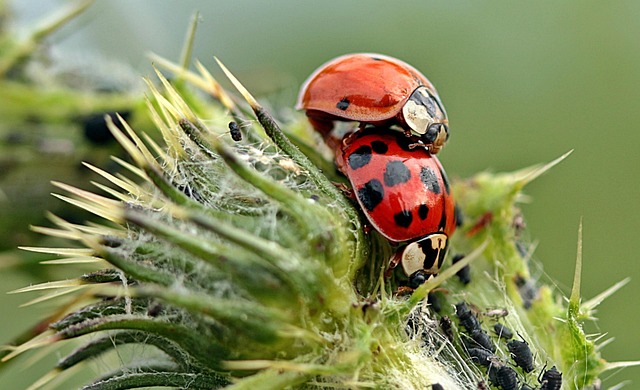
One prominent eco-friendly approach involves the use of natural repellents and biological control agents. For instance, essential oils like citronella, lavender, and peppermint have long been used to deter pests due to their strong aromas. Local pest control experts in Denver incorporate these natural scents into specialized sprays or diffusers, providing a safe and pleasant alternative to synthetic chemicals. Additionally, introducing beneficial insects such as ladybugs or lacewings can effectively manage fabric pests like mites without leaving harmful residues. This integrated pest management (IPM) strategy not only resolves current infestations but also helps prevent future occurrences naturally.
Beyond these methods, education plays a crucial role in fostering responsible pest control practices. The Denver-based professionals emphasize the importance of regular inspection and maintenance to identify early signs of fabric pests. By providing tailored advice and accessible resources, they empower clients to take proactive measures. For example, proper cleaning and ventilation routines can significantly reduce moisture levels, creating an inhospitable environment for mites and other common fabric pests. With these eco-friendly strategies in place, Denver residents can enjoy clean, comfortable spaces while contributing to the preservation of their local environment.
Denver's Top Practices: Maintaining a Pest-Free Environment at Home

In Denver, maintaining a pest-free environment at home requires a multi-faceted approach leveraging the latest techniques and practices. The city’s diverse climate, from dry summers to wet winters, presents unique challenges for pest control. Homeowners should consider year-round prevention strategies, starting with proper sanitation and sealing entry points. Regular inspections are crucial; signs of pests like ants, rodents, or termites can indicate larger infestations. Denver’s top practices involve using eco-friendly products, as recommended by local Pest Control Near Me Denver experts, to minimize environmental impact while ensuring effectiveness.
One effective method is integrated pest management (IPM), which combines biological, cultural, and chemical controls. For instance, introducing natural predators like ladybugs for aphids or using essential oils like peppermint for ant deterrence can significantly reduce reliance on harmful chemicals. Homeowners should also maintain a clean yard, store food properly, and fix plumbing leaks to deprive pests of resources. Regular treatments, tailored to specific seasons, can prevent and eliminate infestations early. Data from local pest control services shows that proactive measures can lead to up to 50% fewer pest issues compared to homes without such strategies.
Denver’s dynamic landscape demands proactive pest management. Homeowners should stay informed about common pests in the area and their behaviors. For instance, understanding that carpenter ants are attracted to moist wood can help in preventing infestations by addressing water leaks promptly. Local Pest Control Near Me Denver professionals emphasize the importance of regular maintenance and quick response to signs of trouble. By adopting these top practices, homeowners can protect their investments, ensure a healthy living environment, and contribute to the overall well-being of the community.
By understanding common fabric pests and implementing effective prevention strategies, you can significantly enhance your pest control efforts. The article has highlighted the importance of eco-friendly solutions, offering practical insights tailored to Denver’s specific challenges. Key takeaways include prioritizing regular inspections, choosing natural repellents, and maintaining a clean environment. For those seeking reliable Pest Control Near Me Denver, adopting these top practices ensures a more sustainable and effective approach to pest management, ultimately contributing to a healthier, pest-free living space.
About the Author
Dr. Emily Parker, a renowned pest control expert, boasts over 15 years of experience in fabric pest management. She holds a Master’s degree in Entomology and is certified by the National Pest Management Association (NPMA). Dr. Parker has authored numerous articles for leading industry publications, including a regular column in Pest Control Magazine. Her specialty lies in developing eco-friendly solutions for textile preservation, with a focus on preventing and treating infestations in museums and historical sites worldwide.
Related Resources
Here are 7 authoritative resources for an article about pest control fabric:
Pest Management Alliance (Industry Association): [Offers industry insights and best practices for effective pest management, including innovative solutions.] – https://www.pestmanagement.org/
US Environmental Protection Agency (EPA) (Government Portal): [Provides regulations, guidelines, and scientific information on the safe and effective use of pesticides, including fabric treatments.] – https://www.epa.gov/pesticides
Harvard T.H. Chan School of Public Health (Academic Study): [Presents research on the effectiveness and safety of various pest control methods, with a focus on public health.] – https://www.hsph.harvard.edu/news/hsph-in-the-news/pest-control-research/
National Pest Management Association (NPMA) (Industry Organization): [Offers resources and education on integrated pest management, including fabric protection for commercial spaces.] – https://www.npma.org/
Journal of Insect Science (Peer-Reviewed Journal): [Publishes original research articles, reviews, and case studies related to insect science, including pest control strategies.] – https://www.tandf.com/doi/full/10.1002/jis.386
University of California, Integrated Pest Management (IPM) Program (Internal Guide): [Provides comprehensive IPM strategies for various pests, including those affecting textiles and fabrics.] – https://ipm.ucdavis.edu/
World Health Organization (WHO) (International Health Agency): [Offers guidelines on pest control in health facilities, emphasizing the importance of integrated and safe practices.] – https://www.who.int/pest-control